British Columbia
British Columbia

WE WELD THE GREASE DUCT FROM HOOD TO ROOF
Fitting out a restaurant and not sure who quotes the hood, the duct, and the fire system?
Commercial kitchen exhaust requirements bring in several trades, an engineer, and a building permit before the first meal is cooked. These guides show what each part needs and what to send before anyone signs a quote.
Name the trade before anyone cuts metal.

Start Here With Kitchen Exhaust Scope of Work and the Trade Behind Each Part →
A hood quote rarely covers the whole system. This guide follows the exhaust from the cooking line to the roof fan, names the trade that quotes each part, and gives you a gap check to run before you sign.
Each guide settles one decision that changes what gets built above the stove, or what goes in the room around it.

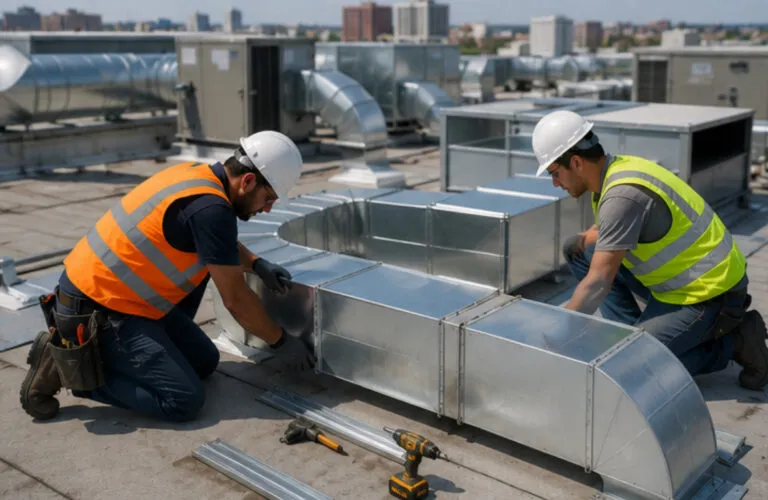
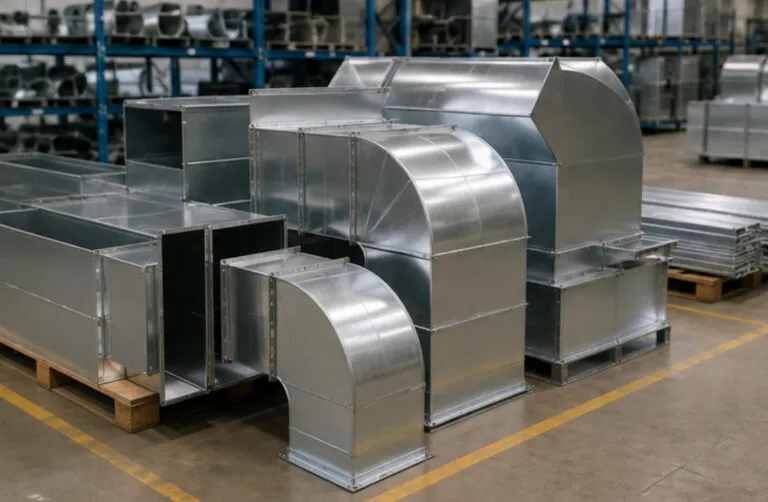
Grease duct is heavier, welded steel with its own rules for clearance, slope, and cleaning access. Learn what the drawings should say before the run is built.

A Type 1 hood is built for grease and smoke, with a Type 2 meant for steam or heat. Learn which one your cooking line needs and what each one changes.

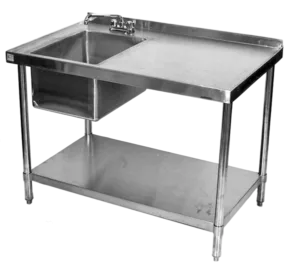
Counters, sinks, prep tables, and shelving each need their sizes, grade, and finish settled early. Use the list to order them in time for opening.

Adding a fryer or moving the cooking line can change the hood, the duct, and the fire system. Learn what to check on site first.

Already have the drawings and equipment list? Send them over, and we'll check the hood and duct route before quoting. Supply ductwork for the same job prices instantly on WebDuct, the online pricing and ordering portal, once your company has an account.
Working out a budget? Custom Fabrication Cost Guides explains what drives the price, and Choosing Materials and Finishes helps pick the stainless for counters and sinks. Every other choice to make before an order is covered in the Spec Room.