British Columbia
British Columbia

YOU'RE PAYING FOR THE SKILL BEHIND THE STEEL
A custom part can cost more than you expected, and there's usually a clear reason.
Next to a stock bracket or an imported part, custom work can look expensive. These guides break down what you're paying for, from skilled hands and machine setup to the metal and the finish. Each one shows what you can change to pay less.
Then order knowing where every dollar goes.

Start Here With Why Small Custom Metal Parts Cost More →
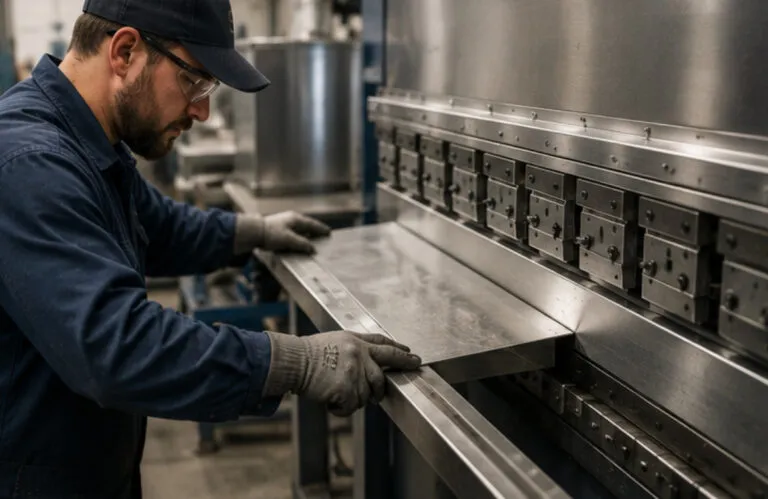
One bracket still needs its drawing read, a machine set up, a fold, a finish, and a check before it ships. The guide shows where that work goes, what small parts typically cost, and six ways to bring the price down.
Material, schedule, drawings, and finish can each add to the price. These four guides take them one at a time.

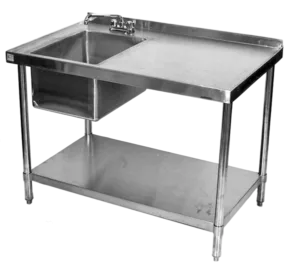
Two counters of the same length can land far apart on price. See how seams, finished ends, sink cut-outs, the backsplash, and the finish change the number.

Moving your job up the schedule means moving other work around it. Learn what a rush changes in the shop, and when it's worth paying for.

A sketch has to become a drawing before anyone can cut metal. See when a drawing fee applies, what you get for it, and how it's credited when you order.

Stainless costs more than the sheet price alone suggests. Learn how the grade, the gauge, the welds, and a brushed finish each add work to the job.

Got a part to price? Send the drawing or a sketch and we'll tell you what's driving the cost on yours. For standard ductwork and fittings, WebDuct prices them instantly once your company has an account.
Not sure what to send for a price? Quote-Ready Resources covers the request, and Local Fabrication vs Imported Parts weighs a local shop against a factory run. The rest of the library, from fittings to finishes, is in the Spec Room.