Skip to content

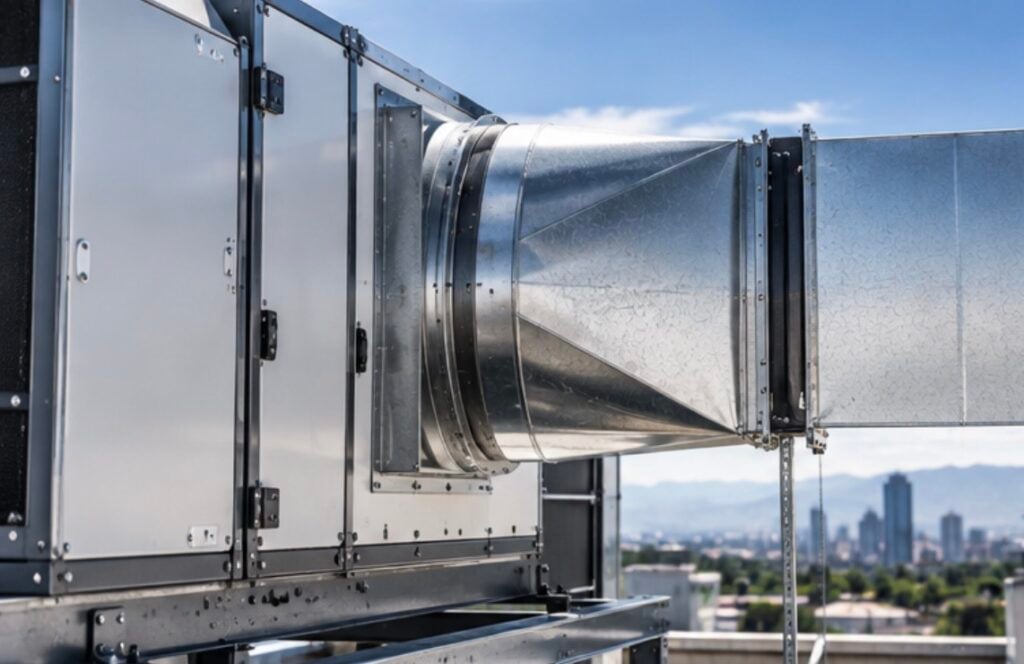
Commercial HVAC contractors often default to galvanized sheet metal because it’s durable, readily available, and cost-effective for most heating and air distribution systems. However, not every project is suited to galvanized steel. In certain commercial and industrial environments, stainless steel delivers better long-term performance by resisting corrosion, handling higher temperatures, and meeting stricter hygiene or fire safety requirements.
The challenge isn’t deciding which material is “better.” It’s understanding when the additional investment in stainless steel provides measurable value over the life of the HVAC system. From commercial kitchens and food processing facilities to laboratories and coastal buildings throughout the Greater Vancouver area, choosing the right material at the fabrication stage can reduce future maintenance, improve system longevity, and help meet project specifications.
When Is Galvanized Sheet Metal the Right Choice?

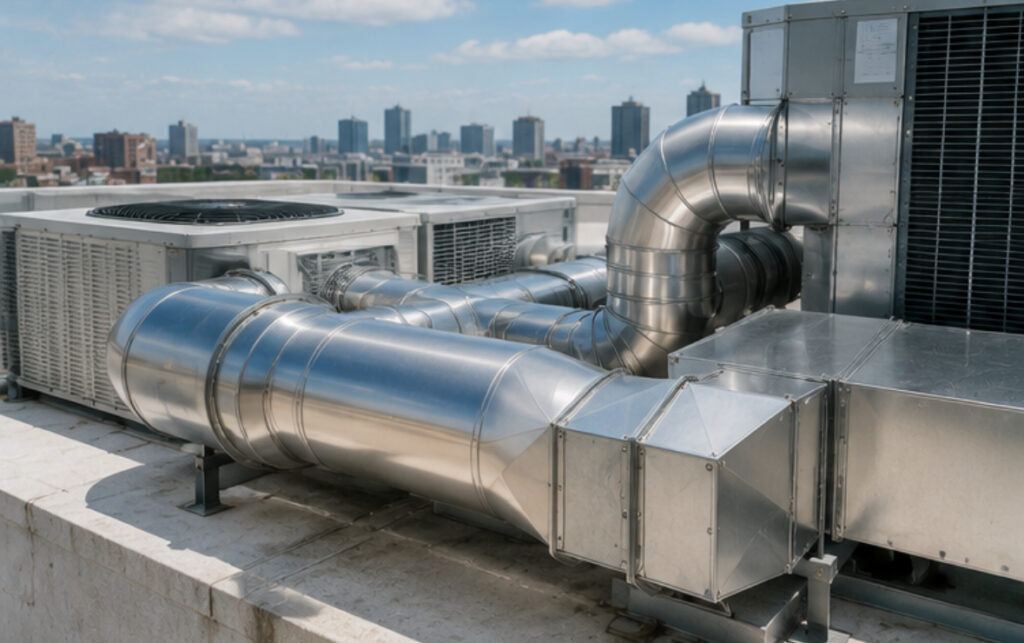
Galvanized steel remains the industry standard for many commercial HVAC applications because it provides an excellent balance of durability, manufacturability, and cost. The protective zinc coating helps resist normal indoor corrosion while making it suitable for office buildings, schools, retail spaces, warehouses, and many other conditioned environments where moisture and contaminants are limited.
For projects with standard indoor air conditions, galvanized ductwork often delivers decades of reliable service when properly fabricated and installed. Professional commercial sheet metal fabrication ensures duct sections, fittings, and transitions meet project specifications while helping contractors maintain budgets without sacrificing installation quality.
| Project Type | Why Galvanized Steel Works Well |
|---|---|
| Office buildings | Dry indoor environments with minimal corrosion exposure. |
| Retail spaces | Cost-effective solution for standard HVAC distribution. |
| Schools and institutions | Durable material for long-term building operation. |
| Warehouses | Suitable for large commercial air distribution systems. |
| General commercial construction | Balances fabrication cost with dependable performance. |
While galvanized steel performs well in many commercial HVAC systems, more demanding environments require a different approach. Working with an experienced commercial sheet metal fabrication partner helps contractors select the right material for long-term performance, durability, and project requirements.
When Does Stainless Steel Become the Better Investment?
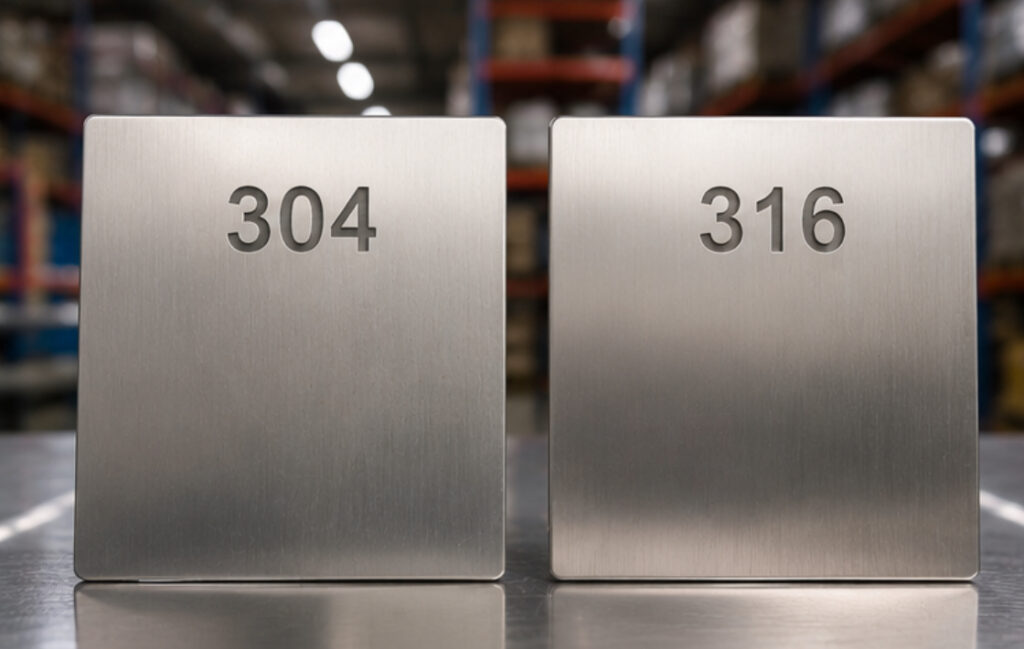
Stainless steel becomes the preferred choice when HVAC systems operate in environments where galvanized coatings may deteriorate over time. Constant moisture, grease vapours, cleaning chemicals, salt exposure, or corrosive air can gradually damage galvanized ductwork, increasing maintenance costs and shortening system life. In these situations, stainless steel often provides better long-term value despite its higher upfront material cost.
Commercial kitchens, food processing plants, breweries, laboratories, healthcare facilities, and certain industrial buildings frequently specify stainless steel HVAC fabrication because of its corrosion resistance and ability to withstand demanding operating conditions. Choosing stainless steel at the beginning of a project often reduces future repairs while supporting longer equipment life and lower lifecycle costs.
Stainless steel is commonly specified for:
- Commercial Kitchens: Handles grease, heat, and frequent cleaning while supporting fire code compliance.
- Food Processing Facilities: Provides corrosion resistance and surfaces suitable for hygienic environments.
- Healthcare Laboratories: Resists chemicals and supports clean-air applications.
- Marine or Coastal Buildings: Better withstands salt-laden air that accelerates corrosion.
- Industrial Manufacturing: Performs reliably where moisture, chemicals, or process contaminants are present.
Selecting stainless steel isn’t about choosing the most expensive material. It’s about matching the material to the environment where the HVAC system will operate. Making the right decision during the design and fabrication stage helps contractors improve system longevity, reduce future maintenance, and deliver better long-term value for their clients.
Which Project Conditions Should Influence Material Selection?
Material selection should always be based on the building environment rather than material cost alone. HVAC contractors often review project specifications, operating conditions, maintenance expectations, and local code requirements before determining whether galvanized or stainless steel is the better option. Selecting the wrong material can lead to premature corrosion, increased maintenance, and costly replacements years before the HVAC system reaches its expected service life.
Several project factors typically influence the decision.
| Project Condition | Recommended Material |
|---|---|
| Standard commercial office HVAC | Galvanized sheet metal |
| High humidity or corrosive environments | Stainless steel |
| Commercial kitchen exhaust systems | Stainless steel |
| Food-grade ventilation systems | Stainless steel |
| Budget-driven general HVAC distribution | Galvanized sheet metal |
| Long-term corrosion resistance required | Stainless steel |
Evaluating these conditions early allows contractors to select the most appropriate material before fabrication begins. It also helps ensure fabricated ductwork, fittings, and HVAC components deliver the durability, performance, and code compliance expected throughout the life of the commercial HVAC system.
How Does Stainless Steel Improve Performance in Commercial Kitchen HVAC Systems?

Commercial kitchens place far greater demands on HVAC ductwork than standard office or retail buildings. Grease vapours, high cooking temperatures, moisture, and frequent washdowns create an environment where galvanized steel may deteriorate more quickly over time. That’s why many commercial kitchen exhaust systems specify stainless steel from the beginning of the project.
Handles Grease-Laden Exhaust
Kitchen exhaust systems continuously move grease particles that can collect inside ductwork. Stainless steel provides a smooth, corrosion-resistant surface that stands up better to grease accumulation and repeated cleaning than galvanized materials.
Supports Fire and Health Code Requirements
Many commercial kitchens require welded grease ducts and components that comply with applicable building and fire codes. Professionally fabricated stainless steel ductwork helps contractors meet inspection requirements while supporting safer exhaust system performance.
Withstands Frequent Cleaning
Restaurants, hotels, hospitals, and institutional kitchens often follow strict cleaning schedules using commercial degreasers and cleaning chemicals. Stainless steel maintains its integrity under repeated cleaning, helping extend the service life of the exhaust system.
Provides Long-Term Value
Although stainless steel costs more initially, its durability often reduces future maintenance, corrosion repairs, and premature component replacement in demanding commercial kitchen environments. For many projects, it delivers a lower lifecycle cost than replacing deteriorated galvanized ductwork.
When fabricating commercial kitchen ventilation systems, selecting the appropriate material from the beginning helps contractors meet performance expectations while reducing long-term maintenance concerns.
How Do Fabricators Help Contractors Choose the Right Material?
Material selection shouldn’t rely solely on project cost. Experienced fabrication partners review mechanical drawings, project specifications, operating conditions, and application requirements before recommending galvanized or stainless steel. This collaborative approach helps HVAC contractors avoid material substitutions that could create performance or compliance issues later.
Professional fabrication also ensures the selected material is manufactured using the proper cutting, forming, welding, and finishing methods. Whether producing standard duct sections or complex stainless steel components, accurate fabrication helps reduce installation delays while delivering the durability expected for each application.
| Fabrication Consideration | Why It Matters |
|---|---|
| Building environment review | Matches material selection to actual operating conditions. |
| Specification compliance | Ensures fabricated components meet project requirements. |
| CNC cutting and forming | Produces accurate parts with consistent tolerances. |
| Proper welding techniques | Critical for stainless steel ductwork and grease duct fabrication. |
| Quality inspection | Confirms finished components are ready for installation. |
What Should HVAC Contractors Consider Before Choosing a Material?

Selecting between galvanized and stainless steel isn’t simply a pricing decision. Contractors should evaluate how the HVAC system will perform over the next 20 years rather than focusing only on the initial fabrication cost. A lower-cost material may increase maintenance expenses if it’s installed in an environment where corrosion, grease, or chemicals accelerate deterioration.
Before finalizing material specifications, consider these project questions:
- What environment will the ductwork operate in? Moisture, chemicals, grease, or salt exposure may justify stainless steel.
- What do the project specifications require? Many commercial and industrial projects specify material types before fabrication begins.
- How important is long-term durability? Lower maintenance costs often offset higher initial material investments.
- Will the system require frequent cleaning? Stainless steel performs better where regular washdowns are expected.
- Are there code or inspection requirements? Commercial kitchens and specialized facilities often require stainless steel components for compliance.
Working with an experienced fabrication partner early in the design process helps contractors select materials that balance performance, longevity, code compliance, and project budget.
Why Choose Duct Duct Goose for Stainless Steel HVAC Fabrication in Greater Vancouver?
Choosing the right material is only part of a successful HVAC project. Precision fabrication ensures stainless steel ductwork, fittings, and custom components are manufactured accurately so contractors can install them efficiently with minimal field modifications. At Duct Duct Goose, we work closely with commercial HVAC contractors to fabricate components that match project specifications and demanding jobsite requirements.
With more than 5 years of fabrication experience, we provide professional stainless steel HVAC fabrication, stainless steel ductwork, commercial kitchen hood fabrication, and complete commercial sheet metal fabrication for projects throughout the Greater Vancouver area. Our team focuses on precise manufacturing, consistent quality, and dependable contractor support to help keep commercial HVAC projects on schedule.
If your next project requires corrosion-resistant HVAC components or custom stainless steel fabrication, contact Duct Duct Goose today. We’ll help you select the right material, fabricate it to exact specifications, and deliver components that support efficient installation and long-term performance.