Skip to content


In Pitt Meadows, moisture is not an occasional factor—it’s a constant condition that directly affects HVAC systems and sheet metal components. Whether it’s rooftop units, duct runs in unconditioned spaces, or exterior installations, prolonged exposure to humidity can reduce the lifespan of fabricated parts faster than expected.
For HVAC contractors, the challenge is not just installation but long-term durability. Choosing the right sheet metal fabrication approach, materials, and protection methods early on helps prevent corrosion issues, reduces callbacks, and ensures systems perform reliably over time.
How Pitt Meadows’s Humid Climate Affects Sheet Metal

Pitt Meadows’s climate creates continuous exposure to moisture through rain, high humidity levels, and temperature fluctuations. This combination leads to condensation forming on and inside metal components, especially in duct systems where temperature differences are common.
Over time, this moisture exposure accelerates oxidation and weakens protective layers on the metal surface. In HVAC systems, areas like joints, seams, and poorly insulated sections are particularly vulnerable because they trap moisture and restrict airflow.
To prevent further damage, it’s essential to consult with a trusted HVAC sheet metal fabrication expert to ensure the integrity and longevity of your system’s components.
Where contractors typically see moisture impact:
- Condensation zones – Duct interiors and exterior surfaces where warm and cool air interact, creating moisture buildup
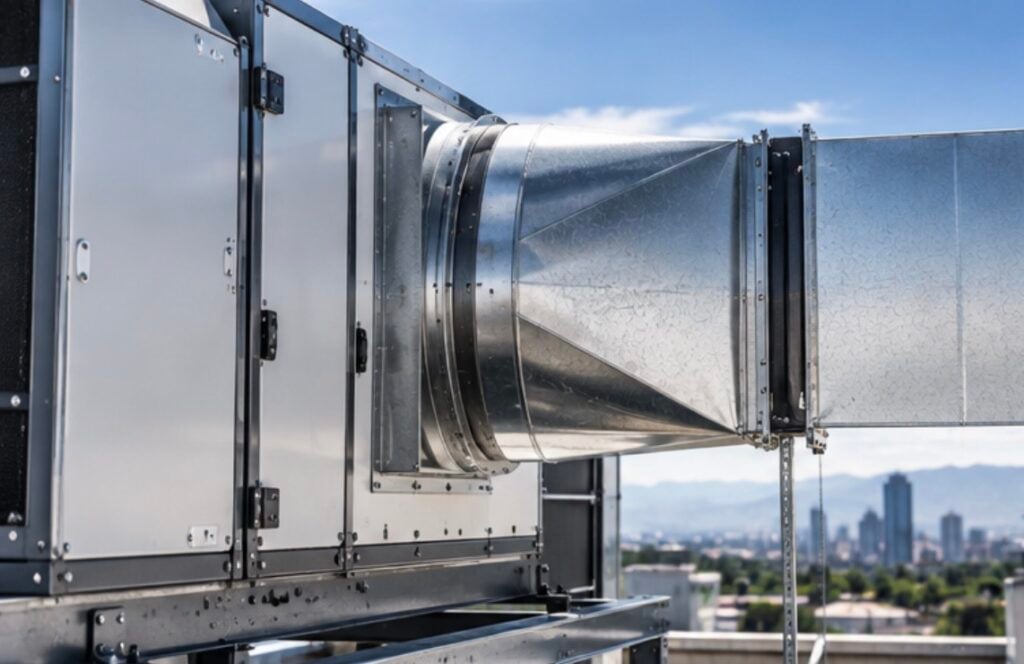
- Uninsulated sections – Exposed ductwork in basements, crawlspaces, or rooftops where humidity remains high
- Connection points – Seams, joints, and fasteners where moisture collects and initiates corrosion
- Outdoor installations – Units exposed to rain and environmental moisture without adequate protection
Understanding these high-risk areas helps contractors plan better protection strategies during fabrication and installation.
Common Issues Caused by Moisture and Corrosion
Moisture-related damage in sheet metal systems often starts subtly but becomes a major issue over time. What begins as minor surface oxidation can eventually compromise structural integrity and system performance if not addressed early.
For HVAC contractors, these issues typically show up during maintenance calls or system inspections, often long after installation. Preventing them at the fabrication stage is far more efficient than correcting them later.
Rust Formation and Surface Degradation
Rust is one of the most common and visible effects of prolonged moisture exposure. Once protective coatings are compromised, metal surfaces begin to oxidize, leading to gradual deterioration.
In real installations, rust often starts at edges, seams, or scratched areas where protective layers are weakest. Over time, this spreads across the surface, affecting both appearance and performance. To prevent rust and maintain the longevity of HVAC systems, investing in reliable stainless steel sheet metal fabrication for HVAC systems is crucial.
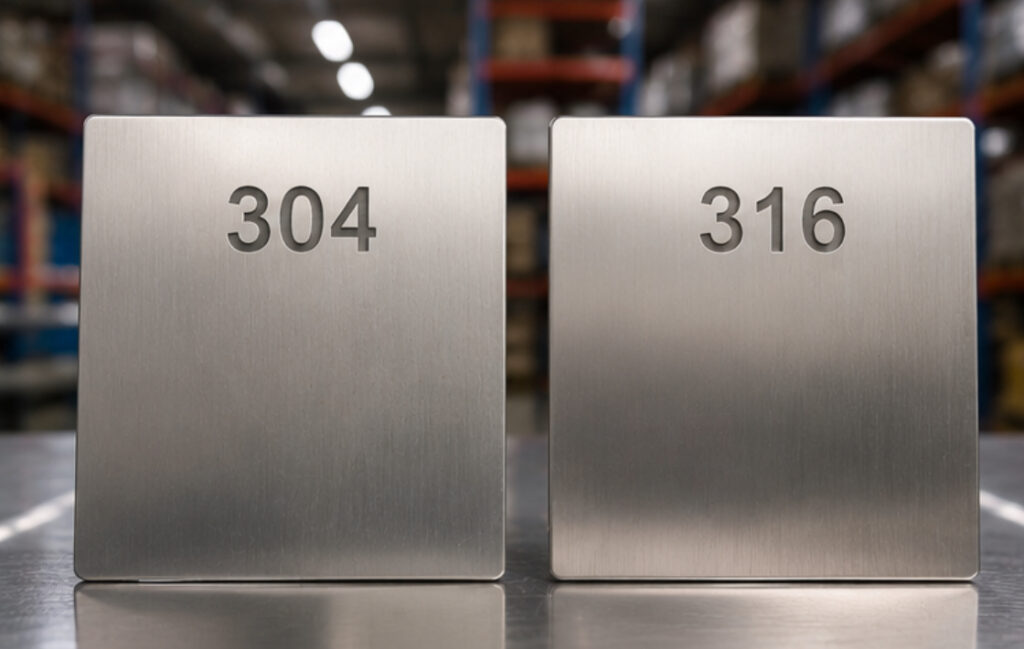
Stainless steel offers superior resistance to corrosion, making it an ideal choice for applications exposed to moisture. This material enhances the durability and efficiency of HVAC systems, ensuring they remain in top condition even in challenging environments.
How rust impacts HVAC systems:
- Surface breakdown – Protective layers wear off, exposing raw metal to further corrosion
- Air quality concerns – Rust particles can enter airflow in deteriorating duct systems
- Reduced lifespan – Components require earlier replacement due to ongoing degradation
- Maintenance challenges – Corroded parts become harder to clean, repair, or seal
Reduced Structural Strength Over Time
Corrosion doesn’t just affect the surface; it gradually weakens the structural integrity of sheet metal components. As metal thins and deteriorates, it becomes more prone to damage, deformation, and failure under normal operating conditions.
For HVAC systems, this can lead to sagging duct sections, loose connections, or compromised sealing. These issues not only affect durability but also reduce system efficiency and airflow performance.
Long-term structural risks include:
- Material thinning – Corrosion reduces metal thickness, weakening load-bearing capacity
- Joint instability – Fasteners and seams lose strength, leading to air leaks
- Deformation under stress – Weakened sections may bend or collapse over time
- Increased repair frequency – Systems require more frequent fixes due to ongoing deterioration
Choosing the Right Materials for Humid Environments

Material selection is one of the most critical decisions when fabricating sheet metal for humid climates. Not all metals perform the same under continuous moisture exposure, and choosing the wrong material can significantly shorten system lifespan.
For contractors working in Pitt Meadows, selecting the right sheet metal fabrication materials ensures better resistance to corrosion, reduced maintenance needs, and longer-lasting installations.
Galvanized Steel vs Aluminum vs Stainless Steel
Each material offers different levels of moisture resistance and durability. Understanding their performance helps contractors choose the right option based on project requirements and environmental exposure.
| Material | Moisture Resistance | Best Use Case |
|---|---|---|
| Galvanized Steel | Moderate (zinc coating protection) | Standard indoor ductwork |
| Aluminum | High (naturally corrosion-resistant) | Coastal or high-moisture areas |
| Stainless Steel | Very high (resists rust and corrosion) | High-exposure or industrial environments |
Choosing the right material is not just about cost—it directly affects how well the system performs over time in humid conditions.
Protective Coatings and Finishes
Beyond material selection, protective coatings play a key role in extending the life of sheet metal components. Coatings act as a barrier between the metal surface and environmental moisture, reducing the risk of corrosion.
In real-world fabrication, adding the right finish can significantly improve durability, especially for outdoor or high-humidity installations.
Common protective solutions include:
- Zinc coatings – Provide a sacrificial layer that protects underlying metal
- Powder coatings – Create a durable, moisture-resistant surface finish
- Sealants and treatments – Protect seams and joints where moisture tends to accumulate
- Specialized finishes – Designed for high-humidity or coastal environments
Applying these protections during the sheet metal fabrication process ensures long-term resistance against moisture damage.
Best Practices to Protect Sheet Metal From Moisture Damage
Protecting sheet metal in Pitt Meadows’s humid environment requires more than just choosing the right material. Long-term durability depends on how well moisture is managed during installation and throughout the system’s lifecycle. Even high-quality materials can fail prematurely if exposed to constant condensation or poor airflow conditions.
For HVAC contractors, implementing preventive measures during installation helps avoid corrosion-related failures, reduces maintenance calls, and ensures systems perform reliably over time.
Proper Sealing and Insulation Techniques
Moisture problems often start at weak points—joints, seams, and areas where temperature differences create condensation. Without proper sealing and insulation, these areas become hotspots for moisture buildup, leading to early-stage corrosion.
In real-world applications, poorly sealed ducts allow humid air to enter and condense inside the system. Insulation plays a critical role in controlling surface temperature and preventing condensation from forming in the first place.
Key practices that improve moisture resistance:
- Seal all joints and seams thoroughly – Prevents humid air infiltration that leads to internal condensation buildup
- Use vapor barriers where needed – Stops moisture from penetrating insulated duct sections in high-humidity zones
- Insulate exposed ductwork properly – Reduces temperature differences that cause condensation on metal surfaces
- Focus on high-risk areas – Pay extra attention to rooftop units, crawlspaces, and unconditioned environments
These steps ensure that moisture is controlled before it can impact the system.
Regular Cleaning and Preventive Maintenance
Even with proper installation, ongoing maintenance is essential to prevent long-term moisture damage. Dust, debris, and contaminants can trap moisture on metal surfaces, accelerating corrosion over time.
For contractors managing service contracts, routine inspections help identify early signs of corrosion before they become major issues. Preventive maintenance is often the difference between a system lasting years and requiring premature replacement.
What effective maintenance includes:
- Routine system inspections – Identify early corrosion signs before structural damage occurs
- Cleaning duct interiors and surfaces – Removes debris that holds moisture against metal
- Checking drainage systems – Ensures condensate is properly removed and not pooling inside units
- Monitoring airflow performance – Proper airflow helps dry out moisture-prone areas
Consistent maintenance protects both system performance and the longevity of fabricated components.
How Proper Installation Impacts Long-Term Durability

Installation quality directly affects how sheet metal performs over time, especially in humid climates like Pitt Meadows. Even well-fabricated components can fail if installed without proper alignment, sealing, or moisture control considerations.
In many HVAC projects, durability issues are not caused by fabrication defects but by installation shortcuts. Misaligned ducts, loose connections, or poor support structures can create gaps where moisture enters and accumulates.
| Installation Factor | Long-Term Impact |
|---|---|
| Poor sealing at joints | Increased moisture entry and internal corrosion |
| Inadequate insulation | Condensation buildup on duct surfaces |
| Improper support | Sagging ducts that trap moisture |
| Misaligned components | Air leaks and reduced system efficiency |
For contractors, focusing on proper installation techniques ensures that the benefits of quality sheet metal fabrication are fully realized over the system’s lifespan.
Why Choose Duct Duct Goose for Durable Sheet Metal Solutions in Pitt Meadows, BC

Durability in sheet metal systems starts at fabrication but is proven in real-world conditions. Contractors need components that are not only accurate but built to withstand Pitt Meadows’s moisture-heavy environment without premature failure.
At Duct Duct Goose, the focus is on delivering sheet metal fabrication solutions designed for long-term performance. From material selection to protective finishes, every component is built with an understanding of local climate challenges and installation realities.
If your goal is to reduce maintenance issues, extend system lifespan, and deliver reliable installations, partnering with a local fabrication expert ensures your projects are built to last.